
A conversation
Finding Y.E.S.
Clarity. Courage. Next steps.
Thoughts, tools, and conversations to help you say yes to what’s aligned—in work, life, and everything in between.
Explore Finding Y.E.S.Stories × Conversations × Culture × Possibility
Author. Producer. Strategist.
I create stories, conversations, and cultural platforms that help women feel seen, understood, and expanded.
Meet Nea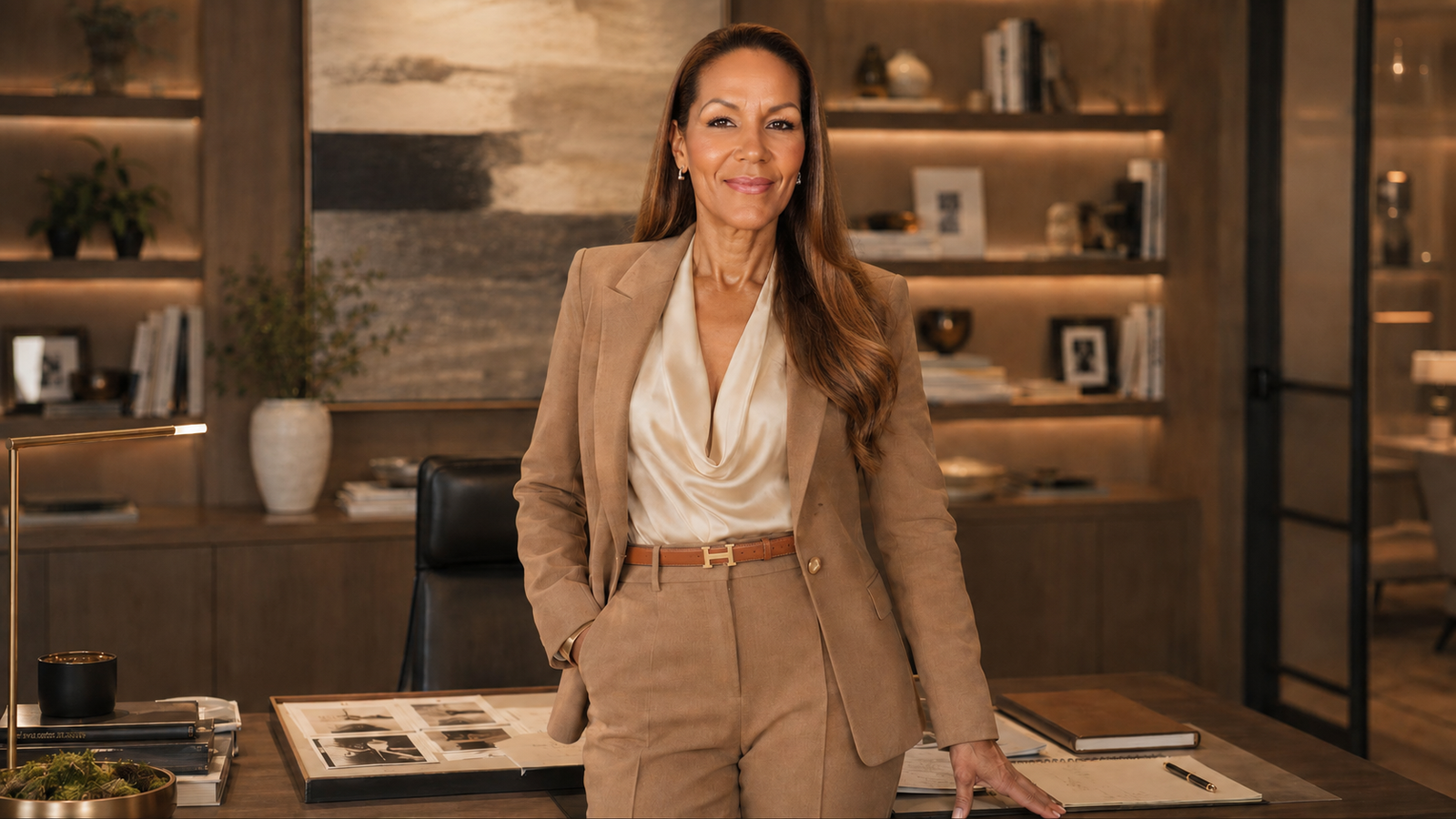
Bigger conversations.
Brighter possibilities.
A conversation space for women who have lived long enough to know some things—and remain curious enough to know there is more to discover.
Enter the roomA conversation
Clarity. Courage. Next steps.
Thoughts, tools, and conversations to help you say yes to what’s aligned—in work, life, and everything in between.
Explore Finding Y.E.S.


Books
From novels to children’s books, stories about identity, belonging, and possibility.
Explore books
Projects
Original IP, creative platforms, and media concepts built around audience, culture, and lasting impact.
Explore projects
Insights
Essays and observations on creativity, storytelling, leadership, and intentional living.
Read the latest